Published: May 21, 2026
Source: Adapted from reporting by Le Courrier du Vietnam / Vietnam News Agency (VNA)
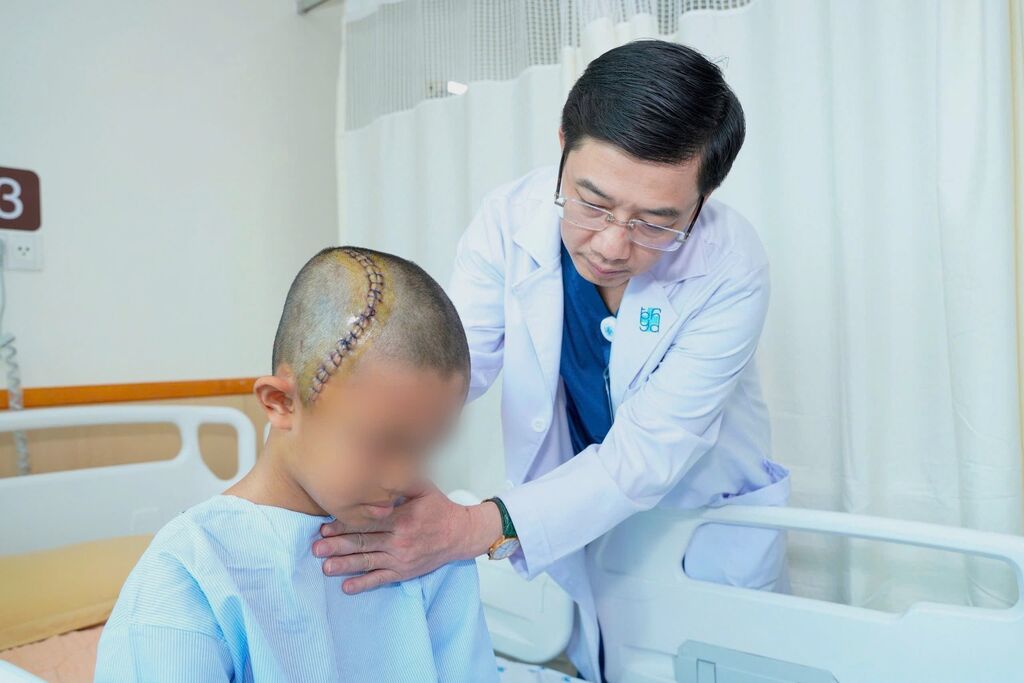
Thành phố Hồ Chí Minh: Lần đầu tiên mổ sọ não tỉnh ở trẻ em
In a landmark development for Vietnam’s healthcare sector, the University Medical Center of Ho Chi Minh City has successfully performed what is believed to be the country’s first reported awake brain surgery on a pediatric patient.
The procedure, conducted on a 12-year-old boy, marks a significant step forward in Vietnam’s neurosurgical capability and offers new hope for preserving neurological function and quality of life in children facing high-risk brain tumours.
A Complex and High-Stakes Procedure
The University Medical Center announced on May 19 that the young patient had recovered well following surgery, remained conscious throughout the procedure, and showed no signs of new neurological impairment post-operatively. Follow-up imaging indicated that the large tumour had been almost entirely removed.
The boy had initially been admitted suffering from persistent headaches, numbness, temporary weakness on one side of the body, and a brief loss of consciousness. Medical investigations revealed a large brain tumour located dangerously close to regions controlling movement and language.
Dr Do Hong Hai of the University Medical Center explained the challenge:
“The location of the tumour posed significant surgical challenges, as any intervention carried the risk of long-term complications affecting mobility, communication, and overall quality of life. The goal was not only tumour removal but also maximum preservation of neurological function.”
Rather than relying on conventional general anaesthesia, surgeons chose an awake craniotomy—a highly specialised procedure in which the patient remains conscious during key stages of the operation.
During surgery, the child was asked to count, identify objects, and move limbs in real time, allowing surgeons to map critical brain functions and define safer surgical boundaries while removing the tumour.
Why Pediatric Awake Brain Surgery Is So Challenging
While awake craniotomy is already considered one of neurosurgery’s more demanding procedures, performing it on a child adds another level of complexity.
Dr Truong Thanh Tinh, head of the hospital’s Neurosurgery Department, noted that younger patients often find it much harder to remain calm, focused, and cooperative during prolonged procedures.
“Helping the child understand, trust, and cooperate throughout the surgical process was a crucial factor contributing to the surgery’s success.”
The hospital has reportedly completed 12 awake brain surgeries in adult patients since 2025, but this marks its first successful pediatric case.
How Vietnam Compares Regionally
For readers across Asia, Vietnam’s achievement is significant not because the procedure is globally new, but because it signals the country’s growing ability to deliver highly specialised treatment domestically.
South Korea and China are generally regarded as regional leaders in advanced neurosurgical procedures, including awake craniotomy, with major tertiary hospitals reporting extensive experience in adult and selected pediatric cases.
Malaysia also offers awake brain surgery in specialist centres, though access remains concentrated in major metropolitan hospitals.
Until recently, Vietnamese families requiring comparable high-complexity neurological care may have needed to consider treatment overseas in destinations such as Singapore, Malaysia, or Thailand.
This development suggests that Vietnam is steadily narrowing that gap.
What This Means for Patients
For Vietnamese families, milestones like this could mean:
- faster access to specialised care
- lower treatment costs compared with overseas referral
- reduced emotional and logistical strain of international travel
- treatment closer to family support networks
While Vietnam is not yet positioned as a destination for routine pediatric functional neurosurgery tourism, advances such as this demonstrate the country’s rapidly expanding expertise in highly specialised care.
For international observers, it is another indicator that Vietnam’s tertiary healthcare system is evolving quickly.
A Turning Point for Vietnam’s Healthcare Sector
This successful surgery reflects more than a single clinical achievement.
It signals Vietnam’s growing confidence in complex functional neurosurgery and a broader shift toward healthcare self-sufficiency in advanced treatment areas.
For Hanoi Trading Post readers, it is a story about Vietnam’s medical modernisation.
For patients and healthcare stakeholders across Asia, it is evidence that Vietnam is increasingly becoming a country to watch in advanced medical care.
Patient information and treatment perspective:
For readers interested in Vietnam’s growing healthcare access and medical tourism landscape, see our companion coverage at Medical Tourism Vietnam:
Vietnam’s First Pediatric Awake Brain Surgery: A Major Medical Milestone


Leave a comment