How a contemporary Vietnamese practice is bridging meditation, neuroscience and holistic wellbeing for a new generation.
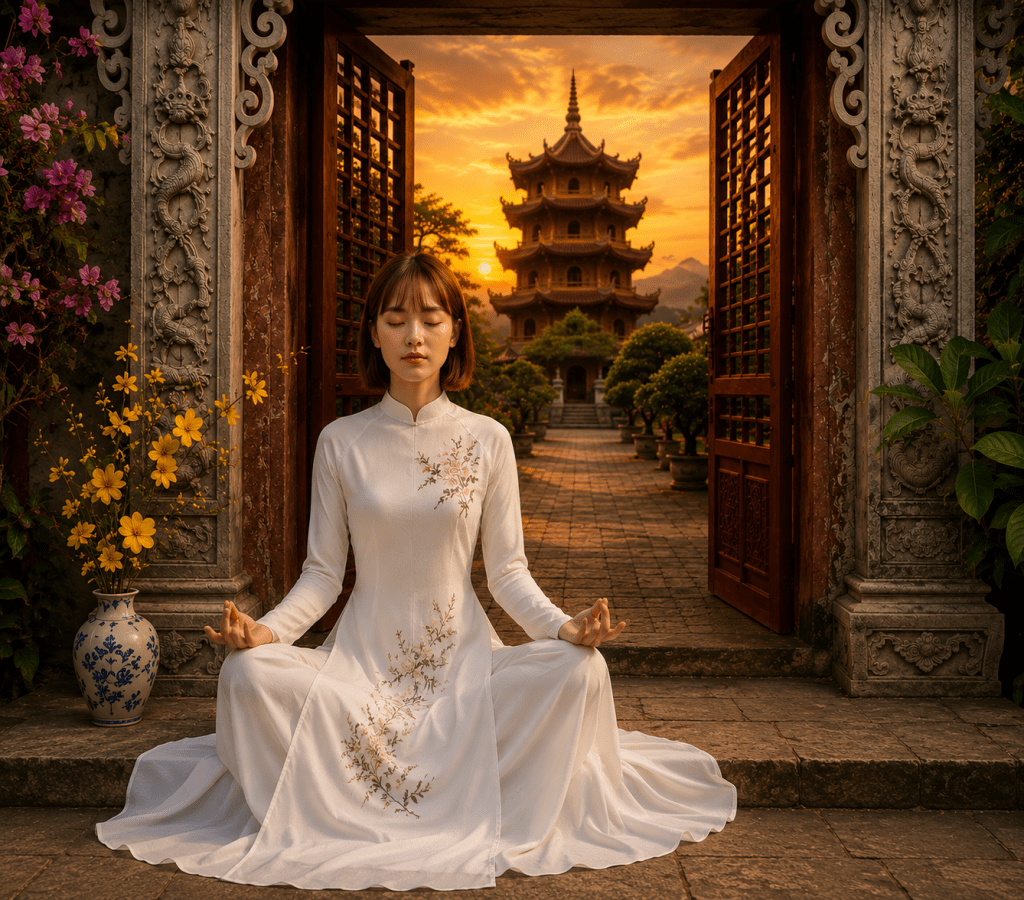
Finding stillness at dawn—a moment of reflection, presence and connection inspired by Vietnam’s enduring contemplative traditions.
Editor’s Note (July 2026)
Since this article was first published, global interest in mindfulness, breathwork and integrative healthcare has continued to grow. We have reviewed and expanded this feature to provide additional context for readers interested in Vietnam’s evolving contribution to holistic wellbeing, contemporary wellness practices and the growing dialogue between ancient wisdom and modern science.
Where Ancient Wisdom Meets Modern Science
In every generation there are moments when ancient knowledge finds renewed relevance.
Across the world, researchers are increasingly exploring how meditation, controlled breathing and mindful awareness influence the human body. Neuroscientists are studying the relationship between breathing and emotional regulation, psychologists continue to investigate the benefits of mindfulness, and healthcare professionals are recognising that physical wellbeing is often closely connected to mental and emotional health.
Yet these ideas are far from new.
For thousands of years, cultures throughout Asia have understood that the mind, body and breath are inseparable. Long before modern medicine began measuring stress hormones or mapping neural pathways, practitioners of meditation sought balance through observation, disciplined breathing and inner awareness.
Vietnam possesses its own distinctive voice within this tradition.
Among the country’s contemporary contributions is Chân Khí Đạo—literally The Way of Vital Energy—a structured system developed by Dr. Phan Quốc Anh that draws upon centuries of Eastern contemplative practice while presenting it in a way that speaks to modern audiences.
Rather than positioning itself as an alternative to conventional medicine, Chân Khí Đạo encourages practitioners to deepen their awareness of the relationship between body, breath and mind. It offers practical exercises designed to cultivate calm, improve self-awareness and support overall wellbeing through mindful practice and conscious breathing.
As international interest in holistic health continues to expand, Chân Khí Đạo represents something uniquely Vietnamese: a thoughtful synthesis of traditional wisdom, personal discipline and contemporary understanding that invites practitioners to explore wellness not as a destination, but as an ongoing journey.
“In an age increasingly shaped by technology, perhaps one of the greatest innovations is rediscovering the quiet wisdom that has always existed within ourselves.”
— Hanoi Trading Post
The Search for Inner Balance
Modern life offers extraordinary opportunities, yet it also presents unprecedented challenges. Constant connectivity, demanding work schedules and information overload have contributed to rising levels of stress, anxiety and mental fatigue across many societies.
As a result, millions of people are looking beyond conventional approaches to health, seeking practices that promote resilience, emotional balance and a greater sense of presence in everyday life.
Meditation, yoga, breathwork and mindfulness have moved from specialist communities into mainstream healthcare discussions. Universities, hospitals and research institutions now investigate how these practices may support wellbeing alongside conventional medical care, while recognising that they should complement—not replace—professional medical treatment.
Within this broader global movement, Vietnam is quietly nurturing its own contemporary approach.
Chân Khí Đạo reflects a philosophy that sees wellbeing as the harmonious integration of physical awareness, mental clarity and conscious breathing. Rather than promising quick solutions, it encourages regular practice, patience and personal responsibility—principles that have characterised contemplative traditions for centuries.
It is this balance between timeless philosophy and practical application that distinguishes Chân Khí Đạo. The practice is neither bound exclusively to religious tradition nor confined to modern scientific explanation. Instead, it seeks to create a dialogue between the two, allowing each perspective to enrich the other.
From the Buddha’s Journey to Contemporary Practice
The search for healing through inner awareness is one of humanity’s oldest pursuits. Within the Buddhist tradition, this journey finds one of its most profound expressions in the life of Siddhartha Gautama, whose quest for understanding transformed not only his own life but also the spiritual landscape of much of Asia.
According to Buddhist tradition, Siddhartha explored both intellectual learning and rigorous ascetic practices in his search for enlightenment. Neither extreme provided the lasting answers he sought. Instead, his breakthrough came through quiet observation—paying careful attention to the body, the breath and the present moment.
This insight became the foundation of a path that emphasised direct experience over abstract theory.
For centuries, practitioners across Asia have continued to explore this relationship between mindful awareness and personal transformation. While cultural expressions have differed from country to country, the underlying principle has remained remarkably consistent: genuine wellbeing begins with cultivating awareness of ourselves.
Chân Khí Đạo draws inspiration from this enduring tradition while presenting it through a contemporary framework that is accessible to people from diverse cultural and professional backgrounds. Rather than asking practitioners to adopt a particular religious belief, it offers practical methods that encourage observation, calmness and conscious engagement with the body’s natural rhythms.
In this sense, Chân Khí Đạo is less about preserving the past than continuing an ongoing conversation—one that connects ancient contemplative wisdom with the questions and challenges of modern life.
The Five-Phase Method: A Blueprint for Energetic Balance
The system is elegantly structured into a five-phase practice designed to guide energy (khí) through the body, moving from internal cultivation to external integration:
| Practice Phase | Core Action | Key Benefit / Purpose |
| 1. Grounding & Priming | Nasal breathing, body awareness | Establishes presence, activates the parasympathetic nervous system (“rest and digest”). |
| 2. Internal Orbit Circulation | Guiding energy through 13 central points (Ren & Du channels) | Aims to harmonize core energetic centers, potentially influencing endocrine and nervous system hubs. |
| 3. Energy Distribution | Directing energy to palms (Laogong) and soles (Yongquan) | Prevents energetic congestion, promotes full-body circulation, and grounds the practitioner. |
| 4. Sensory Reawakening | Gentle massage of sense organs and key points | Facilitates a gentle transition from meditation back to daily activity, anchoring calm in the physical senses. |
| 5. Integration | Slow movement, mindful walking | Completes the practice by integrating stabilized energy into gentle motion. |
Vietnam’s Emerging Wellness Identity
As interest in holistic wellbeing continues to grow around the world, Vietnam is quietly developing its own distinctive voice within the global wellness movement.
Alongside its rich traditions of herbal medicine, meditation, community life and mindful living, contemporary practices such as Chân Khí Đạo demonstrate how ancient cultural knowledge can continue to evolve without losing its roots.
Rather than presenting wellness as a commercial product, these traditions invite practitioners to cultivate patience, self-awareness and balance through regular practice.
For visitors to Vietnam, this offers an opportunity not simply to observe another culture, but to experience a way of thinking in which health is understood as the harmonious relationship between body, mind and daily life.
Vietnam’s Emerging Wellness Identity
As interest in holistic wellbeing continues to grow around the world, Vietnam is quietly developing its own distinctive voice within the global wellness movement.
Alongside its rich traditions of herbal medicine, meditation, community life and mindful living, contemporary practices such as Chân Khí Đạo demonstrate how ancient cultural knowledge can continue to evolve without losing its roots.
Rather than presenting wellness as a commercial product, these traditions invite practitioners to cultivate patience, self-awareness and balance through regular practice.
For visitors to Vietnam, this offers an opportunity not simply to observe another culture, but to experience a way of thinking in which health is understood as the harmonious relationship between body, mind and daily life.
Experience Chân Khí Đạo
For readers wishing to explore Chân Khí Đạo beyond this introductory feature, a growing range of educational resources is now available.
One of the most significant recent developments is the publication of Dr. Phan Quốc Anh’s Vietnamese book, introducing the philosophy, breathing techniques and practical foundations of Chân Khí Đạo to an international audience.
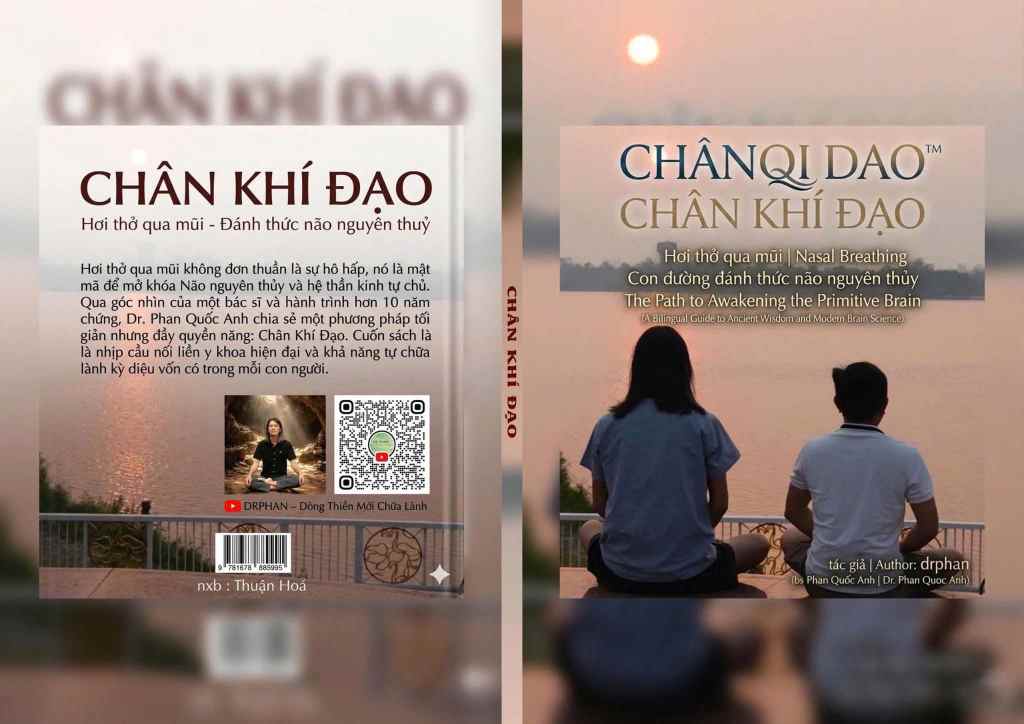
The publication represents an important step in sharing this uniquely Vietnamese approach to wellbeing with readers beyond Vietnam, reflecting growing international interest in mindfulness, breath awareness and holistic health.
Readers can also continue their exploration through Dr. Phan’s official YouTube channel, where practical demonstrations and educational videos introduce the principles of Chân Khí Đạo directly from its founder. https://youtube.com/@drphanchankhidao
A Quiet Contribution from Vietnam
The story of Chân Khí Đạo is not simply about meditation.
It is also the story of a country continuing to share its cultural traditions with the modern world.
At a time when scientific research increasingly explores the relationship between breathing, attention and wellbeing, Vietnam’s own contemporary contribution reminds us that innovation is not always about discovering something entirely new.
Sometimes it begins by looking more deeply at wisdom that has quietly existed for generations.
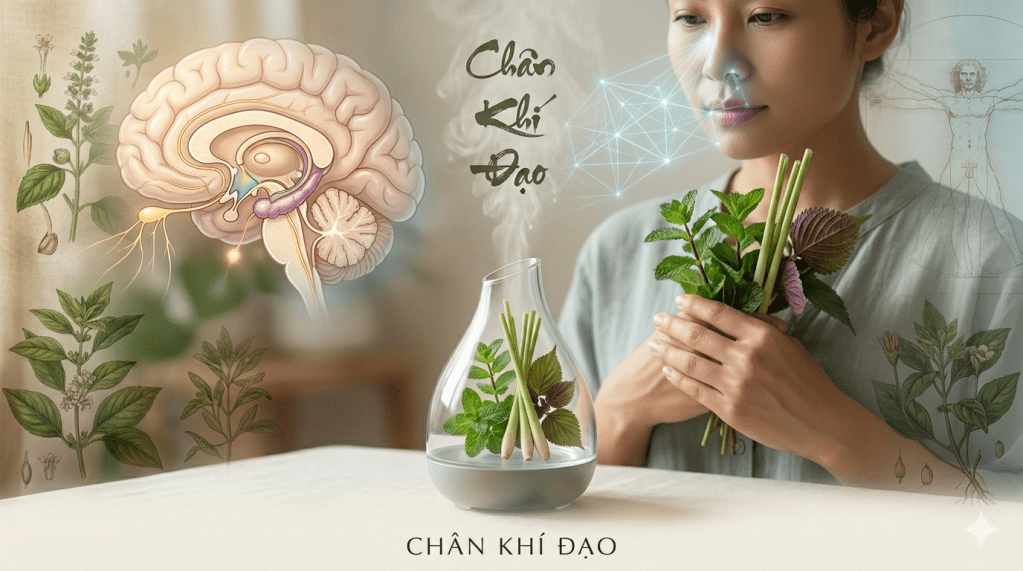
Tiêu đề: Chân Khí Đạo: Cầu Nối Giữa Thiền Định Cổ Xưa và Khoa Học Hiện Đại Cho Hành Trình Chữa Lành Toàn Diện Tại Việt Nam
Trong bối cảnh chuyển mình của ngành chăm sóc sức khỏe toàn cầu, người bệnh ngày càng tìm kiếm những phương pháp điều trị không chỉ giải quyết triệu chứng, mà còn chạm tới gốc rễ của sự an lạc: mối liên hệ sâu sắc giữa tâm trí và cơ thể. Tại Việt Nam, một câu trả lời thuyết phục được tìm thấy trong Chân Khí Đạo (Con Đường Năng Lượng Sống), một hệ thống đương đại do Tiến sĩ Phan phát triển, khéo léo kết hợp những sợi chỉ trí tuệ thiền định phương Đông vượt thời gian với những hiểu biết của khoa học thần kinh hiện đại.
Từ Con Đường Của Đức Phật Đến Thực Hành Hiện Đại
Hành trình chữa lành thông qua nhận thức nội tại vốn đã rất xa xưa. Như được trình bày chi tiết trong giáo lý của Tiến sĩ Phan, con đường này tìm thấy một trong những biểu hiện thuần khiết nhất trong hành trình của Siddhartha Gautama, Đức Phật. Ngài đã khám phá chiều sâu của thiền định và khổ hạnh trước khi khám phá ra rằng sự giác ngộ đích thực đến từ sự chú tâm vào cơ thể và hơi thở—chứ không phải bằng cách chối bỏ chúng. Nền tảng lịch sử này là rất quan trọng; nó định vị Chân Khí Đạo không phải là một phát minh mới, mà là một sự kế thừa có ý thức và ứng dụng thực tiễn của nguyên lý cốt lõi này: sử dụng chính cơ thể làm nền tảng cho sự chuyển hóa và an bình.
Chân Khí Đạo tôn vinh điều này bằng cách chuyển từ khái niệm triết học sang thực hành cụ thể. Nó cung cấp một phương pháp sinh lý học có cấu trúc để “đánh thức não nguyên thủy” và điều hòa hệ thần kinh, chuyển dịch mục tiêu cân bằng nội tại thành một khoa học có thể lặp lại về chăm sóc bản thân.
Phương Pháp Năm Giai Đoạn: Bản Thiết Kế Cho Sự Cân Bằng Năng Lượng
Hệ thống được cấu trúc tinh tế thành một thực hành năm giai đoạn được thiết kế để dẫn dắt năng lượng (khí) đi qua cơ thể, chuyển từ sự nuôi dưỡng bên trong sang hòa nhập bên ngoài:
| Giai Đoạn Thực Hành | Hành Động Cốt Lõi | Lợi Ích / Mục Đích Chính |
|---|---|---|
| 1. Tiếp Đất & Chuẩn Bị | Thở bằng mũi, nhận thức cơ thể | Thiết lập sự hiện diện, kích hoạt hệ thần kinh phó giao cảm (“nghỉ ngơi và tiêu hóa”). |
| 2. Vận Chuyển Chu Thiên Nội Tại | Dẫn năng lượng qua 13 điểm trung tâm (các kinh mạch Nhâm & Đốc) | Nhằm điều hòa các trung tâm năng lượng cốt lõi, có khả năng ảnh hưởng đến các trung tâm nội tiết và thần kinh. |
| 3. Phân Bố Năng Lượng | Hướng năng lượng đến lòng bàn tay (Lao Cung) và lòng bàn chân (Dũng Tuyền) | Ngăn ngừa tắc nghẽn năng lượng, thúc đẩy tuần hoàn toàn thân, và giúp người tập “tiếp đất”. |
| 4. Đánh Thức Giác Quan | Massage nhẹ nhàng các cơ quan giác quan và các điểm huyệt chính | Hỗ trợ quá trình chuyển tiếp nhẹ nhàng từ thiền định trở lại hoạt động hàng ngày, neo giữ sự bình tĩnh trong các giác quan vật lý. |
| 5. Hòa Nhập | Cử động chậm, đi bộ trong chánh niệm | Hoàn tất bài tập bằng cách hòa nhập năng lượng đã ổn định vào chuyển động nhẹ nhàng. |
Một Con Đường Bổ Trợ Cho Khách Du Lịch Y Tế Hiện Đại
Đối với du khách quốc tế đang cân nhắc Việt Nam cho dịch vụ chăm sóc sức khỏe—dù là phẫu thuật thẩm mỹ, nha khoa hay các thủ thuật khác—Chân Khí Đạo mang đến một chiều kích gia tăng giá trị mạnh mẽ cho hành trình du lịch y tế truyền thống.
- Sức Khỏe Trước và Sau Điều Trị: Thực hành này có thể là một công cụ tuyệt vời để quản lý lo lắng trước phẫu thuật và nuôi dưỡng tâm trí bình tĩnh, tích cực. Sau điều trị, trọng tâm của nó vào dòng năng lượng nhẹ nhàng và nhận thức cơ thể có thể hỗ trợ quá trình chữa lành, có khả năng hỗ trợ phục hồi bằng cách giảm căng thẳng.
- Tích Hợp Sức Khỏe Toàn Diện: Nó hoàn toàn phù hợp với nhu cầu ngày càng tăng về chăm sóc sức khỏe toàn diện. Trong khi các phòng khám giải quyết những thay đổi hoặc điều trị về thể chất, Chân Khí Đạo mở ra một con đường đến sự cân bằng nội tại, cung cấp cho bệnh nhân một công cụ lâu dài để quản lý căng thẳng, tĩnh tâm và nâng cao nhận thức bản thân lâu dài sau khi họ trở về nhà.
- Chiều Sâu Văn Hóa: Tham gia vào thực hành này cho phép du khách kết nối với một khía cạnh chân thực, sâu sắc của văn hóa chăm sóc sức khỏe Việt Nam và phương Đông, vượt ra ngoài tham quan để đến với sự phát triển cá nhân qua trải nghiệm.
Trải Nghiệm Thực Hành Cùng Tiến Sĩ Phan
Chân Khí Đạo đại diện cho tinh thần tiến bộ trong chăm sóc sức khỏe tại Việt Nam—một tinh thần tôn trọng truyền thống cổ xưa trong khi tiếp thu sự hiểu biết đương đại. Đó là minh chứng cho cách tiếp cận toàn diện, lấy bệnh nhân làm trung tâm, định nghĩa những gì tốt nhất trong lĩnh vực y tế và chăm sóc sức khỏe của đất nước.
Để tìm hiểu thêm về triết lý và thực hành trực tiếp từ người sáng lập, bạn có thể khám phá các bài giảng của Tiến sĩ Phan trên kênh YouTube chính thức của ông:
https://youtube.com/@drphanchankhidao
Readers interested in learning more about Chân Khí Đạo as part of Vietnam’s emerging wellness landscape can also explore our educational guide published by Medical Tourism Vietnam.
(Hyperlink back to the MTV page.)


Leave a Reply