By Dr. Phan Quốc Anh & George Adams
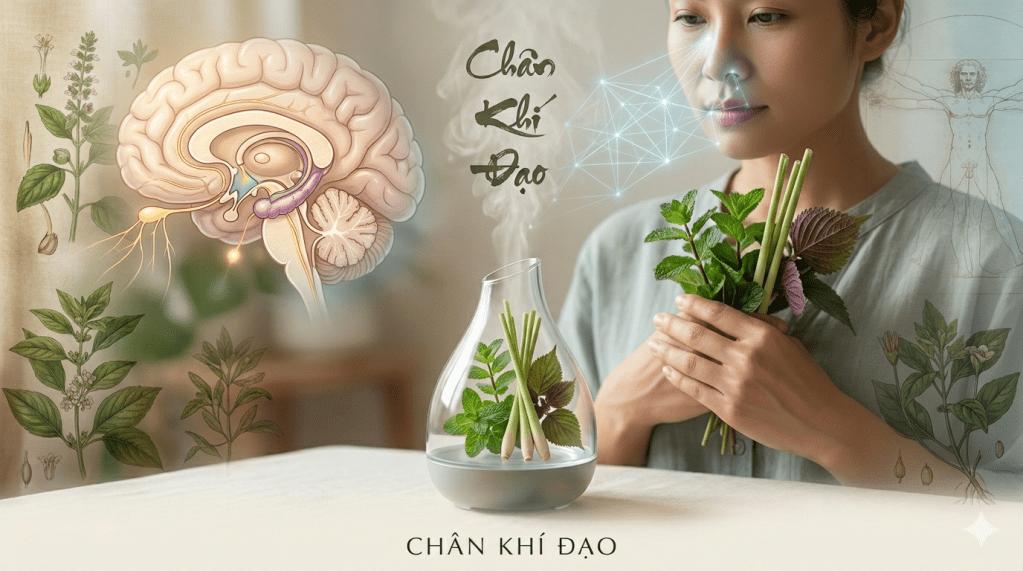
Stepping into the tradition: Chân Khí Đạo bridges centuries of Vietnamese wisdom with the modern understanding of the human body.
Abstract
Chân Khí Đạo is a novel integrative method that combines breath regulation, olfactory stimulation, and gentle internal awareness to support the body’s natural self‑healing processes. The approach targets the autonomic nervous system, limbic system, and neuro‑endocrine pathways with the aim of restoring physiological balance. Preliminary observations suggest benefits in stress reduction, emotional regulation, and metabolic stability.
1. Introduction
Modern medicine has made remarkable advances in treating disease, yet chronic stress‑related conditions remain highly prevalent. There is growing interest in approaches that support the body’s intrinsic regulatory systems rather than merely suppressing symptoms. Chân Khí Đạo was developed as a practical, physiology‑based method that bridges traditional meditative principles with contemporary neuroscience.
1.1 Historical and Cultural Roots

Discovering the bridge between ancient Vietnamese wisdom and modern self-regulation.
Chân Khí Đạo is a contemporary Vietnamese practice created by Dr. Phan Quốc Anh. While it is a modern synthesis, it draws deeply from the wisdom traditions of East Asia. Its philosophical foundation integrates:
- Thiền Buddhism: The Vietnamese form of Zen, emphasizing breath observation and direct mind training.
- Taoist Internal Alchemy (Qigong): Particularly the cultivation of energy and concepts such as the Microcosmic Orbit.
- Vietnamese Traditional Medicine: Including the use of local aromatic plants (e.g., peppermint, lemongrass, perilla) that inform the olfactory component.
What distinguishes Chân Khí Đạo is its deliberate integration of these principles with modern neuroscience. By reframing ancient practices through the lens of autonomic regulation and limbic system modulation, it offers a systematic approach suitable for contemporary integrative medicine.
2. Theoretical Framework
The method is founded on three interconnected systems that form a dynamic network responsible for maintaining homeostasis:
- Autonomic Nervous System (ANS)
- Limbic System (Emotional and stress regulation)
- Neuro‑Endocrine‑Metabolic Axis
3. Core Mechanisms
3.1 Breath Regulation
Slow, natural nasal breathing enhances vagal tone and balances sympathetic‑parasympathetic activity, shifting the nervous system toward a restorative state.
3.2 Olfactory Neuromodulation
Olfactory input directly accesses limbic structures, particularly the amygdala, hippocampus, and hypothalamus. This allows for the rapid modulation of emotional states without requiring cognitive effort.
3.3 Gentle Internal Awareness
Non‑forced interoceptive awareness improves neural integration. Unlike techniques requiring intense concentration, this approach emphasizes passive observation to avoid cognitive overload.
4. Practice Model
The practice is designed to be accessible, requiring no visualization or chanting:
- Natural nasal breathing: No forced manipulation of the breath.
- Passive internal awareness: Focusing on bodily sensations without judgment.
- Optional aroma stimulation: Using natural olfactory cues to facilitate limbic engagement.
5. Observational Outcomes
Based on preliminary practitioner feedback, reported benefits include:
- Reduced anxiety and perceived stress.
- Improved sleep quality and mental clarity.
- Enhanced autonomic balance (stable heart rate).
- Support in chronic metabolic conditions.
6. Practitioner’s Perspective: Clinical Experience
Insights from Dr. Phan Quốc Anh
Initial Responses & Intermediate Changes
Most practitioners report a “quieting of mental chatter” within the first few sessions. Within 2–4 weeks of daily 10–15 minute practice, individuals frequently describe improved sleep depth, greater emotional stability, and better digestion.
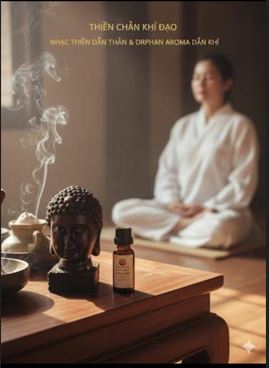
The olfactory-limbic pathway: Using natural aromatic cues as an immediate anchor for stress reduction.
Long-Term Patterns (2–6 Months)
Consistent practitioners often see sustained reductions in baseline anxiety and improved recovery from stressful events. It has shown promise in supporting those managing hypertension and stress-related hormonal imbalances.
Clinical Observation: Many struggle initially with the “simplicity” of the method. The breakthrough occurs when the practitioner stops forcing relaxation and allows the olfactory cues and breath to do the work.
7. Applicability to Women and Men
While the neuro-endocrine-metabolic system functions on shared principles, certain applications vary:
- For Men: Benefits often center on cardiovascular health and reducing “sympathetic overactivity” (e.g., hypertension).
- For Women: The olfactory-limbic pathway is particularly effective for managing hormonal fluctuations, such as PMS or perimenopausal symptoms.
8. Discussion & Limitations
Chân Khí Đạo represents a shift from effort-based meditation to physiology-based self-regulation. Its unique use of the olfactory pathway offers a “shortcut” to the limbic system.
However, current findings are based on observational reports. Future research is needed to:
- Validate outcomes with objective physiological measurements.
- Quantify effects on biomarkers of stress.
- Establish standardized training protocols.
9. Selected References
Breath & Autonomic System
- Acta Neurologica Belgica (2025). “Breathe better, live better: the science of slow breathing.”
- Hutson P, et al. (2025). “Resonant Breathwork as Multimodal Vagal–Interoceptive Modulation.”
Olfaction & Limbic System
- Frontiers in Behavioral Neuroscience (2020). “Behavioral and Neurobiological Convergence of Odor, Mood and Emotion.”
Neuro-Endocrine-Metabolic Axis
- Nature Metabolism (2025). “Mitochondrial and Psychosocial Stress-Related Regulation.”
- Endocrinology (2026). “Disruption of the developmental factor Otp in the adult male forebrain.”
10. Conclusion
Chân Khí Đạo offers a simple yet powerful framework for restoring internal balance. By harmonizing breath, scent, and awareness, it aligns with the future of integrative medicine meditative practice grounded firmly in neuroscience.
Experience the Balance of Chân Khí Đạo
Are you interested in exploring how breath, scent, and neuroscience can transform your approach to stress and metabolic health?
(Learn More About Our Programs) or (Join a Guided Session)
Chân Khí Đạo offers a simple, physiology-based path to restoring your body’s natural self-regulation. Start your journey today.
This research and practice are supported by Medical Tourism Vietnam, the premier gateway for integrative health and world-class medical wellness in Southeast Asia.
 Hanoi Trading Post
Leave a comment